Antenatal
Puerperium and Postnatal Visit: Routine Care After Childbirth Introduction
July 18, 2026
|
168 views
Introduction
The puerperium, also known as the postpartum period, is the period that begins immediately after childbirth and lasts for approximately 6 weeks (42 days). During this time, a mother's body gradually returns to its pre-pregnancy state while adapting to caring for her newborn.
The puerperium is one of the most important periods in a woman's life because many complications such as excessive bleeding, infections, high blood pressure, blood clots, and mental health disorders can occur during this time. Proper postnatal care helps detect and manage these problems early, ensuring both the mother and baby remain healthy.
According to the World Health Organization (WHO), a significant number of maternal and newborn deaths occur within the first 24–48 hours after delivery, making regular postnatal care extremely important.
What is the Puerperium?
The puerperium refers to the recovery period following childbirth during which:
The uterus shrinks back to its normal size.
Hormonal levels gradually return to normal.
The birth canal heals.
Breastfeeding becomes established.
The mother's body adjusts physically and emotionally.
Parents adapt to caring for the newborn.
This recovery period generally lasts six weeks, although complete recovery may take several months depending on the type of delivery and individual health.
Stages of the Puerperium
1. Immediate Puerperium (First 24 Hours)
This is the highest-risk period for complications.
The healthcare team closely monitors:
Blood pressure
Pulse
Temperature
Vaginal bleeding
Uterine contraction
Urine output
Pain level
Breastfeeding initiation
Common experiences include:
Mild abdominal cramps
Vaginal bleeding
Fatigue
Shivering
Emotional excitement
2. Early Puerperium (Day 2 to Day 7)
During this stage:
The uterus continues shrinking.
Lochia (postpartum bleeding) decreases.
Milk production increases.
Perineal wounds begin healing.
The mother becomes more active.
Health workers monitor:
Signs of infection
Breastfeeding progress
Healing of stitches
Emotional wellbeing
3. Late Puerperium (Week 2–6)
Most organs gradually return to normal.
During this period:
Vaginal bleeding becomes lighter.
Hormones stabilize.
Energy improves.
Sexual organs heal.
Menstruation may return (especially if not breastfeeding).
Physical Changes During the Puerperium
1. Uterine Involution
Immediately after birth, the uterus weighs about 1,000 grams.
By six weeks:
It shrinks to about 60–80 grams.
This process is called uterine involution.
Breastfeeding helps this process because the hormone oxytocin causes the uterus to contract.
2. Lochia (Postpartum Vaginal Discharge)
Lochia is the normal discharge after childbirth.
Lochia Rubra (Day 1–3)
Characteristics:
Bright red
Heavy flow
Contains blood and tissue
Lochia Serosa (Day 4–10)
Characteristics:
Pinkish-brown
Less blood
Reduced flow
Lochia Alba (Day 10–6 Weeks)
Characteristics:
Whitish or yellowish
Very light
Mostly mucus and white blood cells
Seek medical attention if:
Bleeding suddenly becomes very heavy.
Large clots are passed.
Foul-smelling discharge develops.
Bleeding returns after stopping.
3. Cervix
The cervix gradually closes over several weeks.
It never returns exactly to the appearance it had before childbirth.
4. Vagina
The vagina slowly regains muscle tone.
Kegel exercises help strengthen the pelvic floor.
5. Hormonal Changes
After delivery:
Estrogen falls.
Progesterone falls.
Prolactin increases for milk production.
Oxytocin helps milk let-down and uterine contraction.
These hormonal changes may affect mood.
6. Breast Changes
Within 2–5 days:
Milk "comes in."
Breasts become fuller.
Temporary engorgement may occur.
Breastfeeding regularly helps reduce discomfort.
Emotional Changes During the Puerperium
Many mothers experience emotional changes.
These may include:
Happiness
Anxiety
Mood swings
Irritability
Crying spells
Fatigue
These are usually temporary.
However, persistent sadness may indicate postpartum depression.
Common Discomforts During the Puerperium
Afterpains
These are uterine contractions felt after delivery.
More common in:
Mothers with multiple pregnancies
Breastfeeding mothers
Perineal Pain
Occurs after vaginal delivery, especially if stitches were placed.
Relief includes:
Keeping the area clean
Warm sitz baths
Pain medications as prescribed
Constipation
Causes include:
Pain
Reduced activity
Fear of passing stool
Dehydration
Increase:
Water intake
Fruits
Vegetables
Walking
Back Pain
Usually improves with:
Good posture
Gentle stretching
Rest
Fatigue
Adequate rest is essential.
Sleep whenever the baby sleeps if possible.
Nutrition During the Puerperium
A healthy diet supports recovery and breastfeeding.
Recommended foods include:
Fruits
Vegetables
Fish
Eggs
Beans
Lean meat
Milk
Whole grains
Nuts
Drink plenty of water daily.
Continue taking iron and folic acid if advised.
Personal Hygiene
Mothers should:
Bathe daily.
Wash hands frequently.
Change sanitary pads often.
Clean the genital area from front to back.
Wear clean underwear.
Breastfeeding During the Puerperium
Exclusive breastfeeding is recommended for the first six months.
Benefits include:
For the baby:
Better immunity
Proper nutrition
Reduced infections
Healthy growth
For the mother:
Faster uterine contraction
Reduced bleeding
Lower risk of breast cancer
Helps weight loss
Family Planning After Delivery
Pregnancy can occur before menstruation returns.
Discuss contraception during postnatal visits.
Options include:
Condoms
Pills (for breastfeeding mothers where appropriate)
Injectable contraceptives
Implants
IUCD
Lactational Amenorrhea Method (LAM) under specific conditions
What is a Postnatal Visit?
A postnatal visit is a scheduled medical check-up after childbirth to assess the health of both the mother and the newborn.
These visits help detect complications early and provide guidance on infant care, breastfeeding, nutrition, immunization, and family planning.
Recommended Postnatal Visit Schedule
WHO recommends postnatal contacts at:
Within 24 hours after birth
Day 3
Between Day 7 and Day 14
At 6 weeks
Additional visits may be needed for mothers or babies with health concerns.
What Happens During a Postnatal Visit?
Assessment of the Mother
Healthcare providers assess:
Blood pressure
Temperature
Pulse
Weight (if necessary)
Vaginal bleeding
Uterine involution
Healing of wounds or C-section incision
Breast health
Urination and bowel movement
Emotional wellbeing
Signs of infection
Assessment of the Baby
The baby is checked for:
Weight gain
Temperature
Feeding
Jaundice
Cord healing
Breathing
Reflexes
Vaccination status
General growth
Routine Postnatal Care
Routine care includes:
Monitoring Bleeding
Healthcare providers ensure bleeding is reducing normally.
Infection Prevention
The mother is educated on:
Hand hygiene
Wound care
Breast care
Cord care
Nutrition Advice
Counselling on:
Healthy meals
Iron-rich foods
Adequate fluids
Calcium-rich foods
Breastfeeding Support
Mothers receive guidance on:
Correct positioning
Proper attachment
Managing sore nipples
Managing engorgement
Expressing breast milk if needed
Mental Health Screening
Healthcare providers look for:
Depression
Anxiety
Severe mood disorders
Difficulty bonding with the baby
Early treatment improves outcomes.
Family Planning Counselling
Couples discuss safe spacing of pregnancies and suitable contraceptive methods.
Immunization Review
Healthcare providers ensure:
Mother receives recommended vaccines if indicated.
Baby receives scheduled vaccinations.
Health Education
Topics include:
Newborn danger signs
Safe sleeping
Cord care
Breastfeeding
Hygiene
Nutrition
When to seek medical care
Danger Signs During the Puerperium
Seek immediate medical attention if the mother experiences:
Heavy vaginal bleeding
Passing large blood clots
Fever above 38°C
Severe abdominal pain
Foul-smelling vaginal discharge
Severe headache
Blurred vision
Difficulty breathing
Chest pain
Leg swelling or pain
Convulsions
Severe sadness lasting more than two weeks
Thoughts of harming herself or the baby
Danger Signs in the Newborn
Seek urgent medical care if the baby:
Refuses to feed
Has difficulty breathing
Develops fever or low body temperature
Has persistent vomiting
Has convulsions
Appears very sleepy or difficult to wake
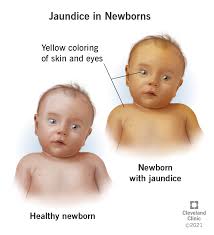
Develops yellow eyes or skin within the first 24 hours or severe jaundice at any time
Has redness or pus around the umbilical cord
Has poor weight gain
Tips for a Healthy Recovery
Attend all postnatal appointments.
Eat a balanced diet.
Drink enough water.
Get adequate rest.
Take prescribed medications.
Practice good hygiene.
Breastfeed exclusively if possible.
Avoid heavy lifting in the early weeks.
Perform gentle exercises as advised.
Seek help if feeling overwhelmed.
Accept support from family and friends.
Frequently Asked Questions (FAQs)
1. How long does the puerperium last?
It usually lasts six weeks (42 days), although complete recovery may take several months.
2. Is vaginal bleeding normal after delivery?
Yes. Vaginal bleeding called lochia is normal and gradually changes from red to pinkish-brown and then to whitish before stopping.
3. When should I worry about postpartum bleeding?
Seek urgent medical care if you soak one or more sanitary pads in an hour, pass large clots, or feel dizzy or faint.
4. Why do I feel abdominal cramps after giving birth?
These are called afterpains. They are caused by the uterus contracting back to its normal size and are often stronger during breastfeeding.
5. Can I become pregnant before my menstrual period returns?
Yes. Ovulation can occur before your first postpartum period, so pregnancy is possible. Discuss contraception with your healthcare provider.
6. When can I resume sexual activity?
Many healthcare providers recommend waiting until around 6 weeks postpartum, or until bleeding has stopped and any tears or surgical wounds have healed. Individual recovery varies.
7. How often should I breastfeed my baby?
Breastfeed on demand, usually 8–12 times in 24 hours, especially during the first few weeks.
8. What foods should I eat after childbirth?
Eat a balanced diet rich in protein, fruits, vegetables, whole grains, healthy fats, dairy or calcium-rich foods, and drink plenty of fluids.
9. What are signs of postpartum depression?
Persistent sadness, loss of interest, hopelessness, severe anxiety, trouble bonding with the baby, or thoughts of self-harm or harming the baby require immediate medical attention.
10. Is it normal to lose hair after childbirth?
Yes. Temporary hair shedding is common due to hormonal changes and usually improves within several months.
11. When should I attend my six-week postnatal visit?
Around six weeks after delivery, unless your healthcare provider recommends an earlier or additional appointment.
12. Why are postnatal visits important?
They help detect complications early, support breastfeeding, monitor recovery, assess the baby's growth and development, provide vaccinations, and offer family planning and health education.
Conclusion
The puerperium is a vital phase of recovery and adjustment after childbirth. During these six weeks, the mother's body heals while she adapts to caring for her newborn. Regular postnatal visits and routine care are essential for identifying complications early, promoting successful breastfeeding, supporting emotional well-being, and ensuring the healthy growth and development of the baby. By attending all scheduled postnatal appointments, maintaining good nutrition and hygiene, and seeking prompt medical attention when danger signs arise, mothers can recover safely and confidently transition into parenthood.