Antenatal
HIV/AIDS and Pregnancy
September 26, 2026
|
25 views
Introduction
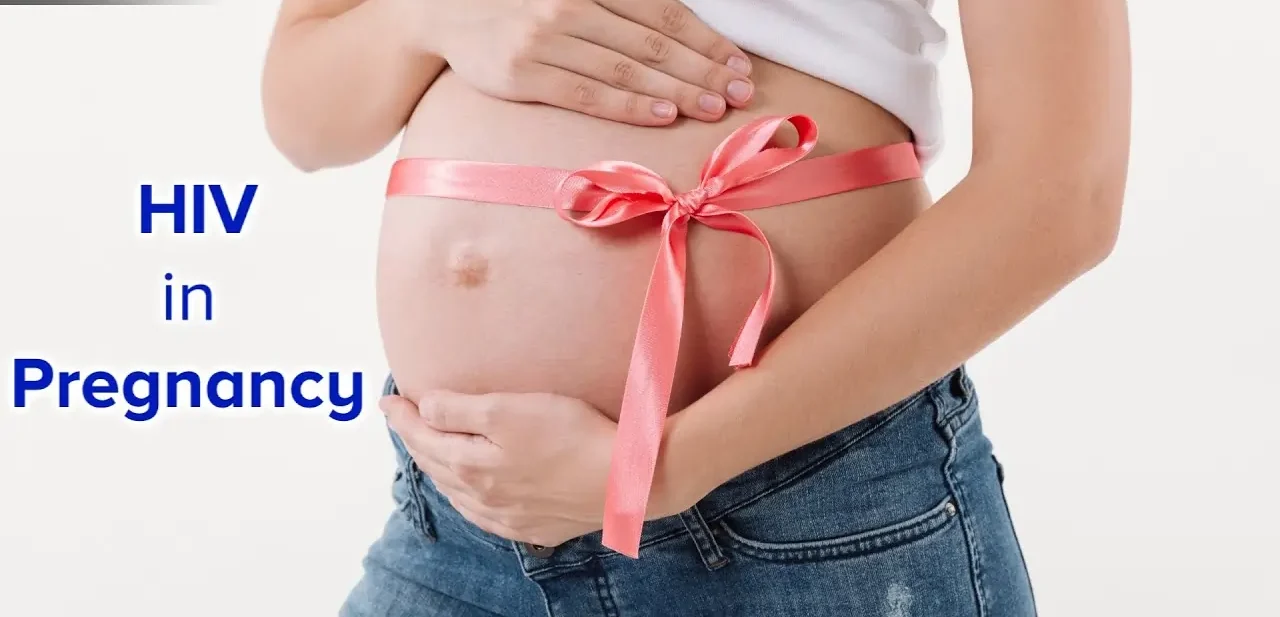
Pregnancy is an important period for the health of both the mother and the developing baby. For women living with HIV, appropriate medical care during pregnancy can protect the mother's health and greatly reduce the chance of HIV being transmitted to the baby.
HIV, or human immunodeficiency virus, attacks the body's immune system. If HIV is not treated, it can gradually weaken the immune system and may eventually lead to AIDS, or acquired immunodeficiency syndrome, which is the most advanced stage of HIV infection.
Today, HIV can be effectively managed with antiretroviral therapy (ART). Pregnant women living with HIV should receive HIV treatment as early as possible. Effective treatment reduces the amount of HIV in the blood, protects the mother's health, and greatly reduces the risk of transmission to the baby.
HIV can pass from a mother to her baby during pregnancy, labour and delivery, or breastfeeding. Without interventions, the overall risk of mother-to-child transmission can be substantial, but effective treatment and appropriate infant care can reduce this risk dramatically.
Globally, WHO estimates that about 1.0 million pregnant women were living with HIV in 2025, and approximately 88% received antiretroviral medicines to prevent transmission to their babies.
What Is HIV?
HIV stands for Human Immunodeficiency Virus.
The virus attacks cells of the immune system, particularly CD4 cells, which play an important role in protecting the body against infections and some cancers.
Without treatment, HIV can progressively weaken the immune system.
With effective ART, however, HIV can be controlled. Treatment reduces the amount of virus in the blood, often to an undetectable viral load, allowing people living with HIV to remain healthy and substantially reducing the risk of sexual transmission.
What Is AIDS?
AIDS stands for Acquired Immunodeficiency Syndrome.
It describes advanced HIV infection in which the immune system has been severely damaged.
A person with HIV does not automatically have AIDS.
Early diagnosis and effective ART can prevent HIV from progressing to advanced disease.
A person can live for many years with HIV and remain healthy when treatment is taken consistently and medical care is maintained.
Can a Woman With HIV Become Pregnant?
Yes.
A woman living with HIV can become pregnant and have a healthy pregnancy and HIV-negative baby when she receives appropriate medical care.
Pregnancy planning is particularly useful because healthcare professionals can:
Review the woman's HIV treatment
Check viral load
Assess overall health
Review other medications
Screen for sexually transmitted infections
Assess hepatitis B and other infections
Discuss reproductive plans
Plan pregnancy and delivery care
Discuss infant feeding options
Women living with HIV who want to become pregnant should discuss their plans with their healthcare provider before conception whenever possible.
How Can HIV Affect Pregnancy?
HIV does not mean that pregnancy will automatically be complicated.
However, women living with HIV may require additional monitoring depending on their health, immune status, viral load, medications, and other medical conditions.
Possible concerns can include:
Maternal infections
Sexually transmitted infections
Tuberculosis
Anaemia
Poor nutritional status
Problems related to advanced HIV disease
Medication-related issues
Pregnancy complications in some circumstances
The risks are generally much better controlled when HIV is diagnosed early and treatment is started or continued appropriately.
How Is HIV Transmitted From Mother to Baby?
HIV can be transmitted from mother to child through three main periods.
1. During pregnancy
HIV can cross from the mother to the developing baby during pregnancy.
However, effective ART greatly reduces this risk.
2. During labour and delivery
The baby may be exposed to HIV-containing blood or genital fluids during labour and birth.
Maintaining an undetectable or very low viral load greatly reduces the likelihood of transmission.
The delivery plan may also depend on the mother's viral load close to delivery.
3. During breastfeeding
HIV can be transmitted through breast milk.
However, antiretroviral treatment substantially reduces the risk of transmission during breastfeeding.
The appropriate infant-feeding approach depends on national guidelines, available resources, safe formula-feeding options, maternal viral suppression, and individual circumstances. WHO and national health authorities may have different recommendations depending on the setting.
What Is Mother-to-Child Transmission of HIV?
Mother-to-child transmission (MTCT), also called vertical transmission, is the transmission of HIV from a mother living with HIV to her baby during:
Pregnancy
Labour
Delivery
Breastfeeding
Preventing this transmission is often referred to as prevention of mother-to-child transmission, or PMTCT.
Modern HIV care uses several interventions together to reduce the risk.
These include:
HIV testing during pregnancy
Early initiation or continuation of ART
Maintaining viral suppression
Appropriate antenatal care
Appropriate management during labour and delivery
Antiretroviral medication for the newborn when indicated
Appropriate infant feeding support
HIV testing and follow-up for the infant
WHO describes elimination of mother-to-child transmission of HIV as an important global health priority.
HIV Testing During Pregnancy
HIV testing is an important part of antenatal care.
A pregnant woman may already know that she has HIV, or she may discover her status for the first time during pregnancy.
Testing is important because early diagnosis allows treatment to begin quickly.
If a woman tests positive:
She should be linked promptly to HIV care.
ART should be started as soon as possible if she is not already taking it.
Her viral load should be monitored.
Her pregnancy care should continue.
Her baby should receive appropriate care after birth.
WHO emphasizes integrating HIV testing and linkage to care into pregnancy and postpartum services.
Why Early HIV Diagnosis Matters
Early diagnosis provides several benefits.
For the mother
It allows treatment to:
Reduce HIV replication
Protect the immune system
Reduce the risk of HIV-related illness
Reduce the risk of opportunistic infections
Improve long-term health
For the baby
Early treatment can:
Reduce HIV exposure during pregnancy
Reduce transmission during delivery
Reduce transmission through breastfeeding
Allow the newborn to receive appropriate antiretroviral medication
Ensure timely infant HIV testing
ART should not be delayed simply because pregnancy is in its early stages. Current NIH guidance recommends initiating ART as early as possible during pregnancy.
Antiretroviral Therapy During Pregnancy
Antiretroviral therapy, commonly called ART, is a combination of medicines used to control HIV.
ART does not currently cure HIV, but it can suppress the virus to very low or undetectable levels.
For pregnancy, the goals of ART include:
Protecting the mother's health
Suppressing HIV viral load
Preventing transmission to the baby
Reducing the risk of sexual transmission
Maintaining viral suppression throughout pregnancy and after delivery
Current NIH guidance recommends starting ART as soon as possible during pregnancy for people living with HIV who are not already receiving effective treatment.
What If a Woman Is Already Taking HIV Medication When She Becomes Pregnant?
A woman who becomes pregnant while taking ART should not stop her HIV medicines on her own.
In most cases, an effective, tolerated, and appropriate ART regimen can be continued during pregnancy.
The healthcare professional should review:
The exact medications
Viral load
Treatment history
Drug resistance information
Other medical conditions
Pregnancy stage
Possible drug interactions
NIH guidance states that in most cases ART being taken when pregnancy occurs should be continued if it is tolerated, safe, and effective at suppressing HIV.
Does HIV Treatment Harm the Baby?
The benefits of effective ART during pregnancy are substantial.
Current evidence and guidelines indicate that antiretroviral medicines generally do not increase the overall risk of birth defects, although safety information varies among individual medicines and continues to be monitored.
ART should not be delayed because of concerns about first-trimester exposure.
The exact medication combination should always be selected with a qualified healthcare professional.
HIV Viral Load and Pregnancy
The viral load is the amount of HIV in the blood.
It is one of the most important measurements used during pregnancy.
High viral load
A high viral load means that HIV is actively replicating in the body and may increase the risk of transmission to the baby.
Low or undetectable viral load
Effective ART can reduce HIV to an undetectable level.
Maintaining viral suppression throughout pregnancy and around delivery is a major goal of HIV care because it substantially reduces the risk of transmission.
Regular viral-load monitoring during pregnancy is therefore important.
Undetectable HIV and Pregnancy
An undetectable viral load means that the amount of HIV in the blood is below the detection limit of the test being used.
For sexual transmission, people living with HIV who maintain an undetectable viral load do not sexually transmit HIV to their partners.
For pregnancy and childbirth, maintaining viral suppression also greatly reduces the risk of transmission to the baby.
However, pregnancy and infant-feeding decisions require individualized medical guidance because the management of perinatal and breastfeeding exposure involves additional considerations.
Antenatal Care for Pregnant Women Living With HIV
A pregnant woman living with HIV should receive routine antenatal care together with HIV-specific care.
Important areas include:
1. HIV viral load monitoring
This helps determine how well ART is controlling the virus.
2. CD4 count when indicated
CD4 measurements can help assess immune function, particularly when clinically relevant.
3. Medication review
All medications, supplements, and traditional or herbal preparations should be discussed with the healthcare provider.
4. Screening for other infections
Depending on the setting and clinical circumstances, screening may include:
Syphilis
Hepatitis B
Hepatitis C
Tuberculosis
Other sexually transmitted infections
5. Nutritional assessment
Good nutrition supports maternal health and pregnancy.
6. Routine pregnancy monitoring
This includes appropriate:
Blood pressure monitoring
Weight monitoring
Fetal assessment
Anaemia screening
Ultrasound when indicated
Other routine antenatal investigations
HIV and Labour
The approach to labour and delivery depends partly on the mother's viral load close to delivery.
If viral suppression is maintained, vaginal birth may be appropriate for many women.
If HIV viral load is high or unknown near delivery, a planned caesarean birth may be recommended in some circumstances to reduce the risk of transmission.
For example, current NIH guidance recommends scheduled caesarean birth at 38 weeks when HIV RNA is greater than 1,000 copies/mL or is unknown near the time of birth.
Delivery decisions should therefore be made with the obstetric and HIV care teams rather than based on HIV status alone.
Can a Woman With HIV Have a Vaginal Delivery?
Yes.
HIV infection does not automatically mean that a woman must have a caesarean section.
The decision depends on factors such as:
Viral load near delivery
ART adherence and effectiveness
Obstetric indications
Previous obstetric history
Local clinical guidelines
When HIV is well controlled and viral suppression is maintained, vaginal delivery may be possible.
HIV and Caesarean Section
A caesarean section may sometimes be recommended specifically to reduce the risk of HIV transmission when viral load remains high or is unknown near delivery.
However, caesarean birth is major surgery and also has risks.
Therefore, it should not be performed solely because a woman has HIV when there is no indication for it.
The delivery plan should be individualized.
Care During Labour
During labour, healthcare professionals should:
Follow appropriate infection-prevention precautions
Continue indicated ART
Monitor the mother and baby appropriately
Minimize unnecessary invasive procedures when clinically appropriate
Follow the planned delivery strategy
Ensure the newborn team knows that the baby has been exposed to HIV
Routine infection-control precautions are used for all patients, regardless of HIV status.
Care of the Newborn Exposed to HIV
A baby born to a mother living with HIV is considered HIV-exposed until appropriate testing establishes the baby's HIV status.
The newborn should receive appropriate antiretroviral medication according to the level of transmission risk and local guidelines.
NIH guidance recommends neonatal antiretroviral prophylaxis or presumptive HIV therapy according to the baby's risk of perinatal HIV acquisition.
The medication should be given exactly as prescribed.
HIV Testing in the Baby
A baby's HIV status cannot be determined simply by observing the baby.
Special laboratory tests are used to detect HIV infection in infants.
Testing is performed according to an age-specific schedule.
The timing and type of tests depend on:
Maternal HIV status
Maternal viral load
ART history
Infant treatment
Breastfeeding exposure
Local guidelines
Parents should attend every scheduled infant HIV-testing appointment.
Breastfeeding and HIV
Breastfeeding requires careful discussion for mothers living with HIV.
HIV can be transmitted through breast milk.
However, effective ART significantly reduces the risk.
The recommended approach differs according to national policies and available resources.
WHO guidance states that where national health authorities recommend breastfeeding for women living with HIV, mothers should receive lifelong ART and support for adherence. WHO recommends exclusive breastfeeding for the first 6 months, followed by appropriate complementary foods while breastfeeding continues, in settings where breastfeeding is the recommended approach.
In some settings, health authorities recommend avoiding breastfeeding when safe, sustainable replacement feeding is available.
Therefore, a mother should follow the infant-feeding recommendation provided by her local HIV and maternal-child health team rather than making the decision based on advice from friends, social media, or older guidelines.
Why Exclusive Breastfeeding May Be Recommended in Some Settings
Where health authorities recommend breastfeeding for mothers living with HIV, exclusive breastfeeding means giving the baby breast milk without other foods or liquids during the first 6 months, except medicines or supplements when medically indicated.
WHO's guidance reflects the fact that, in some settings, avoiding breastfeeding can increase risks from unsafe water, malnutrition, diarrhoeal disease, pneumonia, or lack of access to safe replacement feeding.
Therefore, infant-feeding recommendations must consider the whole health environment, not HIV transmission alone.
Why Breastfeeding Recommendations Differ Between Countries
There is no single infant-feeding strategy that is appropriate in every setting.
Recommendations may depend on:
Availability of safe water
Availability and affordability of infant formula
Access to healthcare
Maternal ART adherence
Viral suppression
Infant access to antiretroviral medicines
National HIV guidelines
Food security
Ability to prepare replacement feeds safely
This is why mothers living with HIV should follow the guidance of their local HIV and maternal-child health services.
Can HIV Be Prevented During Pregnancy?
Yes.
Preventing HIV transmission during pregnancy involves several strategies.
For women who do not have HIV
Prevention can include:
HIV testing
Condoms
PrEP when indicated
Testing and treatment of sexually transmitted infections
Avoiding sharing needles or other injecting equipment
Knowing the HIV status of sexual partners
WHO recommends several HIV prevention options, including PrEP for people at increased risk of HIV acquisition.
HIV and Couples Where One Partner Has HIV
A couple in which one partner has HIV and the other does not is sometimes described as a serodifferent or serodiscordant couple.
Having HIV does not mean that a person cannot have a healthy relationship or plan a pregnancy.
Important measures include:
Effective ART for the partner living with HIV
Maintaining viral suppression
HIV testing for the HIV-negative partner
Considering PrEP where appropriate
Sexual-health counselling
Pregnancy planning
Couples should discuss their reproductive plans with an HIV healthcare professional.
HIV and Pregnancy Planning
For a woman living with HIV who wants to become pregnant, preparation can include:
Before pregnancy
Confirm HIV viral suppression
Review ART
Review other medications
Check for drug interactions
Screen for sexually transmitted infections
Assess general health
Address nutritional needs
Review vaccinations
Discuss partner testing
Discuss fertility and contraception
Develop an antenatal care plan
Pregnancy planning allows the healthcare team to address potential problems before conception.
What Happens If HIV Is Diagnosed During Pregnancy?
A positive HIV diagnosis during pregnancy can be frightening, but it is important to remember that effective treatment can protect both mother and baby.
The recommended steps include:
Step 1: Confirm the diagnosis
A reactive screening test generally requires appropriate confirmatory testing according to the testing algorithm.
Step 2: Link to HIV care
The woman should be connected with an HIV treatment team promptly.
Step 3: Start ART as soon as possible
Treatment should not be unnecessarily delayed.
Step 4: Check viral load
This helps assess the level of HIV in the blood and monitor response to treatment.
Step 5: Continue antenatal care
Pregnancy care should continue alongside HIV treatment.
Step 6: Develop a delivery and newborn plan
This includes planning for:
Delivery
Newborn antiretroviral medication
Infant HIV testing
Feeding
Postpartum follow-up
Early treatment improves the opportunity to achieve viral suppression before delivery.
Can HIV Medicines Be Taken During the First Trimester?
Yes.
ART is generally recommended during pregnancy, including early pregnancy.
Current guidance states that treatment should not be delayed because of concerns about antiretroviral exposure during the first trimester. Available evidence does not show an overall increase in birth defects from antiretroviral exposure, although individual medications have different safety data.
A pregnant woman should never stop or change ART without discussing it with her healthcare provider.
Importance of Medication Adherence
Adherence means taking HIV medicines exactly as prescribed.
Good adherence is important because it:
Maintains viral suppression
Protects the mother's health
Reduces the risk of drug resistance
Reduces the risk of transmission to the baby
Supports long-term treatment effectiveness
Common reasons people miss medication include:
Forgetfulness
Nausea
Fear of side effects
Stigma
Depression or emotional distress
Financial difficulties
Difficulty accessing healthcare
Lack of social support
Healthcare professionals can help identify and address these barriers.
HIV, Pregnancy and Stigma
Stigma can have a serious effect on HIV care.
A woman may fear:
Rejection
Relationship problems
Loss of employment
Disclosure of her HIV status
Judgment from family members
Discrimination within the community
These fears can sometimes cause people to delay testing or treatment.
HIV is a medical condition, not a measure of a person's character.
Pregnant women living with HIV deserve respectful, confidential, nonjudgmental healthcare.
Emotional Support During Pregnancy
Learning that you have HIV during pregnancy can cause:
Fear
Anxiety
Sadness
Anger
Confusion
Guilt
Concern about the baby's health
These feelings are understandable.
A woman should be encouraged to discuss her concerns with a qualified healthcare professional or trained counsellor.
If she feels persistently depressed, overwhelmed, hopeless, or has thoughts of harming herself or someone else, urgent mental-health support should be sought.
Nutrition During Pregnancy With HIV
Good nutrition is important for every pregnancy.
Women living with HIV should discuss their nutritional needs with their healthcare provider.
A balanced diet can include:
Fruits
Vegetables
Whole grains
Beans and other legumes
Eggs
Fish or other appropriate protein sources
Meat or poultry where available
Nuts and seeds
Healthy sources of fats
Adequate fluids
Pregnancy supplements such as folic acid, iron, or other vitamins should be taken according to professional advice.
Traditional medicines and herbal products should also be discussed with a healthcare professional because some may interact with HIV medicines.
HIV and Opportunistic Infections During Pregnancy
HIV can weaken the immune system, particularly when it is untreated or poorly controlled.
This can increase susceptibility to certain infections.
Examples include:
Tuberculosis
Pneumonia
Certain fungal infections
Recurrent bacterial infections
Other opportunistic infections
Effective ART helps restore immune function and reduces the risk of many HIV-related illnesses.
HIV and Tuberculosis in Pregnancy
Tuberculosis is particularly important in settings where TB is common.
Pregnant women living with HIV should be assessed for TB symptoms and risk according to local guidelines.
Symptoms that should be reported include:
Persistent cough
Fever
Night sweats
Unexplained weight loss
Persistent tiredness
Enlarged lymph nodes
TB and HIV can occur together and require coordinated treatment.
HIV and Other Sexually Transmitted Infections
Pregnancy is also an important time to screen for other infections.
These may include:
Syphilis
Gonorrhoea
Chlamydia
Hepatitis B
Hepatitis C
Other infections depending on local recommendations
Treating sexually transmitted infections is important for the health of both mother and baby.
Postpartum Care for the Mother
HIV care does not end after delivery.
The mother should continue:
ART
HIV clinic appointments
Viral-load monitoring
Postpartum medical care
Family-planning counselling
Mental-health support when needed
Infant-feeding support
Routine preventive care
ART is generally lifelong for people living with HIV.
Stopping ART after delivery can allow the virus to rebound and may cause health problems or increase transmission risk.
Family Planning After Pregnancy
A woman living with HIV may want to delay or avoid another pregnancy.
Family-planning options should be discussed with a healthcare professional.
Methods may include:
Condoms
Long-acting reversible contraception
Oral contraceptive pills
Injectable contraception
Implants
Intrauterine devices
Other appropriate methods
The choice depends on individual circumstances, preferences, health conditions, medication interactions, and reproductive goals.
Tips for Pregnant Women Living With HIV
Tip 1: Start antenatal care early
Do not wait until late pregnancy to begin antenatal care.
Tip 2: Take ART exactly as prescribed
Consistency is one of the most important parts of HIV management.
Tip 3: Never stop HIV medication on your own
If side effects occur, speak with your healthcare provider.
Tip 4: Know your viral load
Ask your healthcare team what your latest viral-load result means and when it will be checked again.
Tip 5: Keep every appointment
HIV care and pregnancy care work together to protect mother and baby.
Tip 6: Follow the local infant-feeding recommendation
Do not make feeding decisions based solely on general information from the internet.
Tip 7: Make sure the baby receives prescribed medication
Newborn antiretroviral medication is an important part of preventing transmission.
Tip 8: Keep the baby's HIV testing appointments
Even if the baby looks completely healthy, follow-up testing is necessary.
Tip 9: Protect your mental health
Seek counselling or emotional support if pregnancy and HIV are causing significant distress.
Tip 10: Ask questions
A woman has the right to understand her treatment, test results, delivery plan, and options for caring for her baby.
Things to Avoid
A pregnant woman living with HIV should avoid:
Stopping ART without medical advice
Missing appointments repeatedly
Taking unapproved herbal or traditional medicines without discussing them with a healthcare provider
Sharing HIV medication with another person
Assuming that feeling well means HIV is no longer present
Assuming that an undetectable viral load means treatment can be stopped
Skipping the baby's HIV medications
Skipping infant testing
Making breastfeeding or replacement-feeding decisions without appropriate local guidance
Allowing fear or stigma to prevent her from seeking medical care
HIV/AIDS and Pregnancy: Quick Summary
Area Key Point
Can a woman with HIV become pregnant? Yes
Can she have a healthy baby? Yes, with appropriate care, treatment and follow-up
Can HIV pass to the baby? Yes, during pregnancy, delivery or breastfeeding
Can transmission be prevented? The risk can be dramatically reduced with appropriate interventions
Main treatment Antiretroviral therapy
When should ART be started? As early as possible during pregnancy if not already taking effective ART
Important laboratory test HIV viral load
Delivery Depends partly on viral load and obstetric circumstances
Newborn Receives appropriate antiretroviral medication according to transmission risk
Breastfeeding Follow WHO/national/local guidance and individualized clinical advice
Is HIV curable? There is currently no cure, but ART can control HIV effectively
Should ART be stopped after delivery? No, HIV treatment is generally lifelong
Can a woman with HIV plan another pregnancy? Yes, with appropriate preconception counselling
Frequently Asked Questions
1. Can a woman with HIV have a normal pregnancy?
Yes. Many women living with HIV have successful pregnancies and healthy babies when they receive appropriate HIV treatment and antenatal care.
2. Can HIV pass from mother to baby?
Yes. HIV can pass during pregnancy, labour or delivery, and breastfeeding. Effective interventions can greatly reduce this risk.
3. Can HIV transmission to the baby be prevented?
Yes. Maternal ART, viral suppression, appropriate newborn medication, appropriate delivery management, infant testing and appropriate feeding guidance can substantially reduce the risk.
4. Should a woman stop HIV medication when she becomes pregnant?
No. She should not stop ART on her own. In most cases, an effective and appropriate regimen is continued during pregnancy, with medication review by her healthcare provider.
5. Can HIV medication harm the unborn baby?
Antiretroviral medicines have different safety profiles, but current evidence indicates that ART generally does not increase the overall risk of birth defects. The benefits of controlling HIV during pregnancy are important.
6. Can a woman with HIV have a vaginal birth?
Yes. HIV does not automatically require a caesarean section. Delivery planning depends partly on viral load and other obstetric factors.
7. When is a caesarean section recommended?
When HIV viral load is greater than 1,000 copies/mL or is unknown near delivery, current NIH guidance recommends scheduled caesarean birth at 38 weeks to reduce perinatal transmission. Local guidelines may differ, so the woman's healthcare team should make the final plan.
8. Can a mother with HIV breastfeed?
This depends on the country's national guidance and the individual clinical situation. WHO supports breastfeeding with lifelong ART in settings where health authorities recommend breastfeeding, while some countries or settings recommend replacement feeding when it can be safely and sustainably provided.
9. Does an undetectable viral load mean the baby cannot get HIV?
An undetectable viral load greatly reduces the risk of transmission, but pregnancy and infant-feeding care still require appropriate medical management and newborn follow-up.
10. Does the baby need HIV medicine?
Yes. A newborn exposed to HIV is generally given antiretroviral medication according to the assessed risk of HIV acquisition and local guidelines.
11. Does the baby need HIV testing?
Yes. The baby requires appropriate HIV testing even if the mother has maintained an undetectable viral load.
12. Can a woman with HIV have more children?
Yes. Women living with HIV can make reproductive choices and plan pregnancies. Preconception counselling can help reduce health risks and maximize the likelihood of having an HIV-negative baby.
13. Can HIV be cured?
There is currently no routinely available cure for HIV. However, ART can suppress HIV, protect the immune system and allow people living with HIV to live long, healthy lives.
14. What should a woman do if she discovers she has HIV while pregnant?
She should contact an HIV treatment service or qualified healthcare professional as soon as possible. ART should be started promptly if she is not already receiving it, and she should continue routine antenatal care.
15. Can a woman with HIV have a healthy relationship with an HIV-negative partner?
Yes. Effective ART and sustained viral suppression prevent sexual transmission of HIV. Couples can also discuss PrEP and pregnancy planning with a healthcare professional when appropriate.
Conclusion
HIV and pregnancy can be successfully managed with modern medical care.
The most important steps are early HIV diagnosis, early and effective ART, consistent medication adherence, regular viral-load monitoring, appropriate antenatal care, careful delivery planning, newborn antiretroviral medication, infant HIV testing, and appropriate infant-feeding support.
A diagnosis of HIV during pregnancy does not mean that a woman cannot have a healthy pregnancy or healthy child. The earlier HIV is identified and effectively treated, the more opportunities there are to protect both mother and baby.
Pregnant women living with HIV should receive respectful, confidential and supportive care. They should not stop HIV medication, change treatment, or make infant-feeding decisions without discussing them with their healthcare team.
Current WHO data show substantial progress in preventing mother-to-child transmission, while continued access to testing, lifelong ART, adherence support and high-quality maternal and newborn services remains essential.
Important note
This article is intended for health education and does not replace individualized medical care. HIV treatment during pregnancy should be managed by a qualified healthcare professional because medication choices, viral-load targets, delivery planning, newborn treatment and infant-feeding recommendations can depend on the individual's health and the guidelines used in their country.
Reliable sources
World Health Organization: HIV and AIDS
WHO: Mother-to-child transmission of HIV
WHO: Infant feeding for prevention of mother-to-child HIV transmission
NIH: Perinatal HIV Clinical Guidelines