Antenatal
PREGNANCY-INDUCED HYPERTENSION (PIH)
November 14, 2026
|
73 views
What is Pregnancy-Induced Hypertension?
Pregnancy-Induced Hypertension (PIH) refers to high blood pressure that develops during pregnancy, usually after 20 weeks, in a woman who previously had normal blood pressure.
It is an important pregnancy complication that requires regular monitoring because uncontrolled high blood pressure can affect the health of both the mother and her unborn baby.
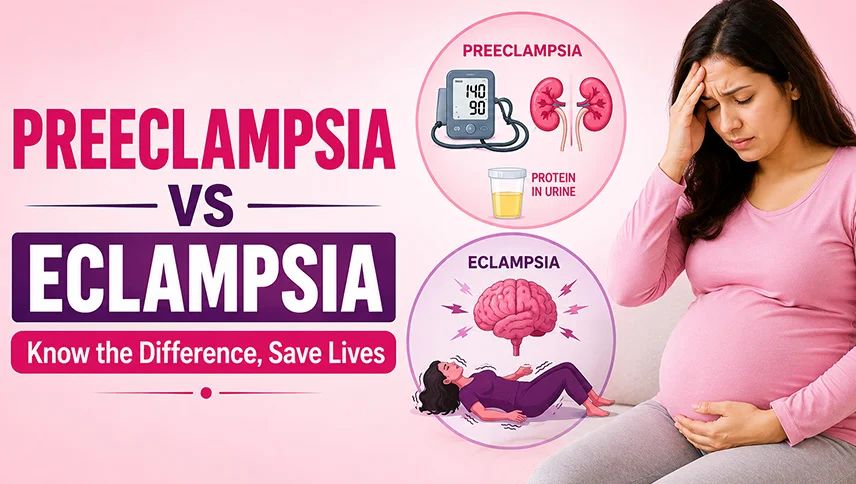
PIH is commonly used to describe gestational hypertension. Unlike preeclampsia, gestational hypertension does not initially involve signs of organ damage or protein in the urine. However, it can progress to preeclampsia in some women.
Causes and Risk Factors
The exact cause of pregnancy-induced hypertension is not fully understood. However, certain factors may increase the risk:
- First pregnancy.
- Previous history of pregnancy-induced hypertension.
- Family history of high blood pressure during pregnancy.
- Multiple pregnancy (twins or triplets).
- Being overweight or obese.
- Pregnancy at age 35 or older.
- Pre-existing medical conditions such as diabetes or kidney disease.
- Previous history of preeclampsia.
Signs and Symptoms
Some women with PIH may not experience noticeable symptoms. High blood pressure may only be discovered during routine antenatal checks.
Possible signs include:
- Elevated blood pressure (140/90 mmHg or higher).
- Persistent headache.
- Dizziness.
- Blurred vision.
- Sudden swelling of the face and hands.
- Unusual nausea or vomiting.
- Upper abdominal discomfort.
Important: Severe headache, visual disturbances, difficulty breathing or severe upper abdominal pain may indicate progression to severe disease and require immediate medical attention.
Possible Complications
If not properly monitored and managed, PIH may lead to:
Complications in the mother:
- Development of preeclampsia.
- Eclampsia (seizures).
- Stroke.
- Kidney or liver complications.
- Placental abruption.
Complications in the baby:
- Poor fetal growth.
- Premature birth.
- Low birth weight.
- Reduced oxygen and nutrient supply.
- Stillbirth in severe cases.
Prevention and Management
Although PIH cannot always be prevented, pregnant women can reduce the risk of complications through proper antenatal care.
Recommended measures include:
- Attend all scheduled antenatal appointments.
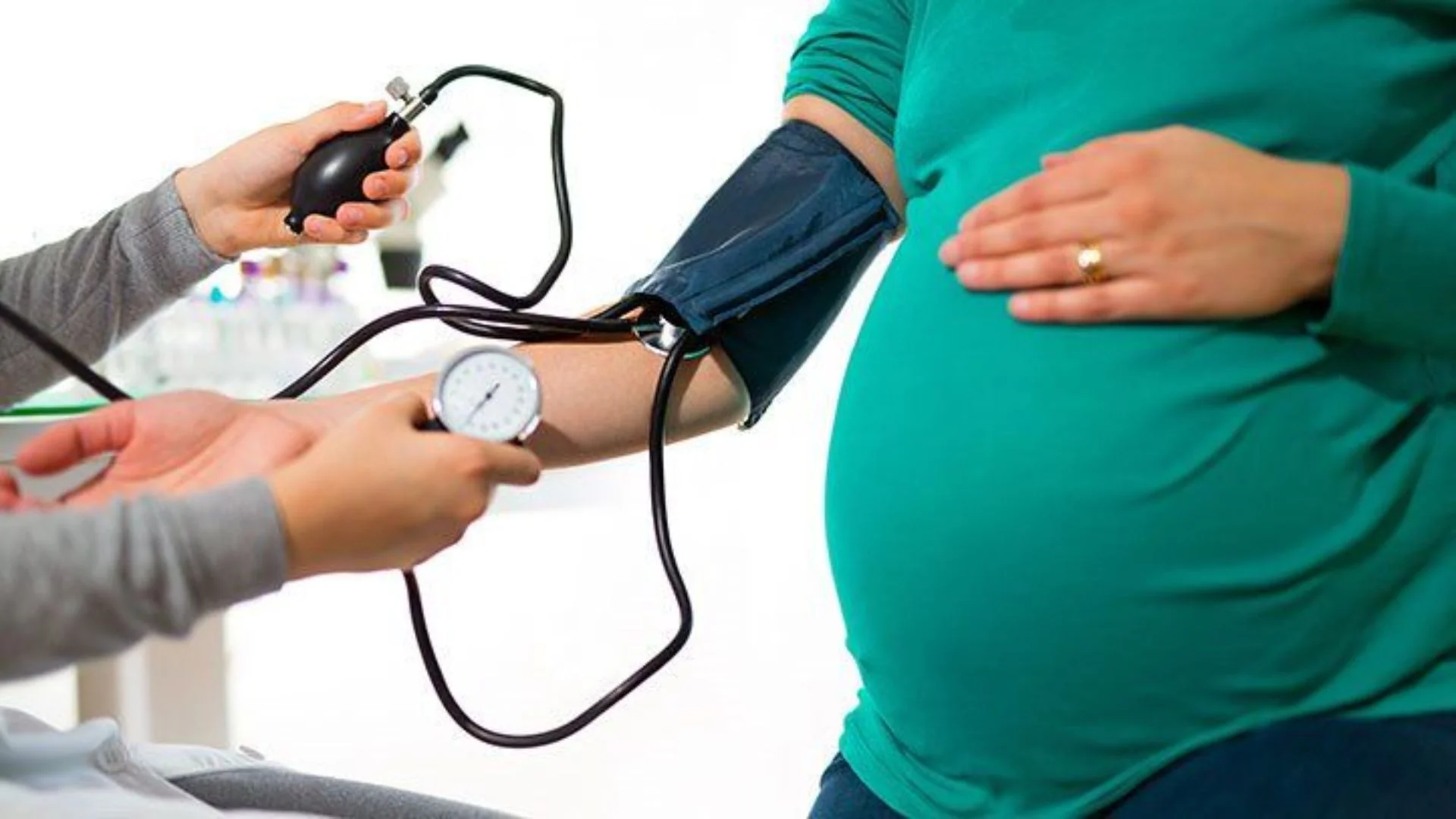
- Check blood pressure regularly.
- Follow a balanced and nutritious diet.
- Maintain healthy weight gain during pregnancy.
- Engage in safe physical activities as advised by a healthcare professional.
- Avoid smoking and alcohol.
- Take prescribed medications as directed.
- Report unusual symptoms immediately.
Women at increased risk may be advised to take low-dose aspirin during pregnancy under medical supervision.
Treatment
Treatment depends on the severity of the blood pressure elevation, the stage of pregnancy and the condition of the baby.
Management may include:
- Regular blood pressure monitoring.
- Urine tests to check for protein.
- Blood tests to assess kidney and liver function.
- Ultrasound scans to monitor the baby's growth.
- Antihypertensive medications to control blood pressure.
- Close monitoring of the mother and baby.
- Delivery when medically necessary.
The goal is to maintain safe blood pressure levels while protecting the mother and allowing the baby to develop safely.
Frequently Asked Questions (FAQs)
1. At what stage of pregnancy can PIH develop?
PIH usually develops after 20 weeks of pregnancy in women who previously had normal blood pressure.
2. What blood pressure reading indicates pregnancy-induced hypertension?
A blood pressure reading of 140/90 mmHg or higher, confirmed on two measurements at least four hours apart, may indicate gestational hypertension.
3. Can PIH affect my unborn baby?
Yes. Uncontrolled hypertension can affect blood flow to the placenta, potentially causing poor fetal growth, low birth weight or premature delivery.
4. Can pregnancy-induced hypertension go away after delivery?
Yes. Blood pressure often returns to normal after childbirth, but it may take several weeks. Follow-up blood pressure monitoring is important.
5. Is PIH the same as preeclampsia?
No. PIH or gestational hypertension involves high blood pressure developing after 20 weeks without the additional findings that define preeclampsia. Preeclampsia involves high blood pressure with protein in the urine or other signs of organ involvement.
6. Can I have a normal delivery if I have PIH?
Yes. Many women with PIH can deliver vaginally. The delivery method depends on blood pressure control, gestational age and the health of the mother and baby.
7. Does PIH mean I will have high blood pressure for life?
Not necessarily. Blood pressure may return to normal after delivery. However, women who experience hypertension during pregnancy have a higher risk of developing chronic hypertension and cardiovascular disease later in life.
8. Can I prevent PIH by avoiding salt completely?
No. Completely avoiding salt is not a proven way to prevent PIH. A balanced diet, appropriate medical monitoring and following your healthcare provider's advice are more important.
9. Should I stop taking my blood pressure medication when I become pregnant?
No. Do not stop or change any medication without consulting your healthcare provider. Some blood pressure medicines are unsafe during pregnancy, and your doctor may need to change your prescription.
Myths and Facts About Pregnancy-Induced Hypertension
MYTH 1
Only women who already have high blood pressure can develop PIH.
FACT
PIH can develop in women who have never experienced high blood pressure before pregnancy.
MYTH 2
PIH only affects older pregnant women.
FACT
PIH can affect pregnant women of different ages, including young first-time mothers.
MYTH 3
If I feel healthy, my blood pressure must be normal.
FACT
High blood pressure may have no obvious symptoms. Regular antenatal blood pressure checks are essential.
MYTH 4
PIH always leads to preeclampsia or eclampsia.
FACT
Not every woman with PIH develops preeclampsia or eclampsia. Early detection and proper management help reduce complications.
MYTH 5
Every woman with PIH must undergo a Caesarean section.
FACT
Vaginal delivery is possible for many women. Caesarean section is recommended only when medically necessary.
MYTH 6
PIH disappears immediately after childbirth.
FACT
Blood pressure may remain elevated or even worsen after delivery. Postpartum monitoring is essential.
MYTH 7
Reducing food intake or starving yourself will control PIH.
FACT
Starving yourself is dangerous during pregnancy. Proper nutrition and prescribed medical treatment are important.
Conclusion
Pregnancy-Induced Hypertension is a condition that should never be ignored. Although some women may experience no symptoms, regular blood pressure checks and antenatal visits can help detect the condition early.
With proper medical care, monitoring and timely treatment, many women with PIH go on to have healthy pregnancies and safe deliveries.
Important Health Reminder
A blood pressure reading of 160/110 mmHg or higher during pregnancy is a medical emergency. Seek immediate hospital care. Do not wait for your next antenatal appointment, even if you feel fine.