Antenatal
NUTRITION IN PREGNANCY: EATING WELL FOR A HEALTHY MOTHER AND BABY
November 28, 2026
|
18 views
Introduction
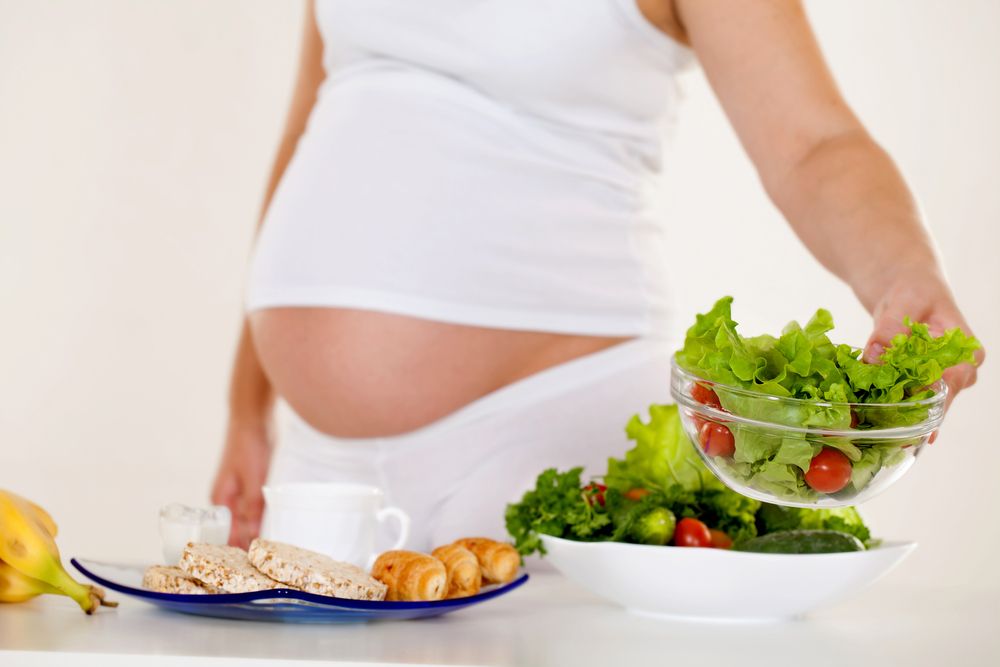
Nutrition during pregnancy plays an important role in the health, growth, and development of an unborn baby. A pregnant woman's body requires additional nutrients to support the development of the baby's brain, bones, organs, and other body systems.
Eating a balanced diet during pregnancy also helps maintain the mother's health, supports healthy weight gain,n and reduces the risk of certain pregnancy complications.
Remember, pregnancy is not about eating for two; it is about eating better to meet the nutritional needs of both mother and baby.
1. Importance of Good Nutrition During Pregnancy
Proper nutrition during pregnancy offers several benefits:
1. Supports Baby's Growth and Development
A balanced diet provides essential nutrients needed for the development of the baby's brain, bones, muscles, and organs.
2. Supports Brain Development
Nutrients such as folate, iron, iodine, and omega-3 fatty acids contribute to healthy brain and nervous system development.
3. Prevents Nutritional Deficiencies
Eating a variety of nutritious foods helps prevent deficiencies that may lead to anaemia and other health problems.
4. Supports the Mother's Health
Good nutrition helps maintain the mother's energy levels, immune function, and general wellbeing.
5. Reduces the Risk of Certain Pregnancy Complications
Adequate nutrition helps reduce the risk of conditions associated with nutritional deficiencies, including iron-deficiency anaemia and neural tube defects.
6. Supports Healthy Birth Weight
Adequate maternal nutrition contributes to healthy fetal growth and development.
2. Essential Nutrients Every Pregnant Woman Needs
The following nutrients are particularly important during pregnancy.
A. Folic Acid (Folate)
Folic acid is essential for the development of the baby's brain and spinal cord. Adequate intake before conception and during early pregnancy helps prevent neural tube defects.
Food sources:
- Green leafy vegetables.
- Beans.
- Avocado.
- Oranges.
- Fortified cereals.
Important: Most women are advised to take 400 micrograms of folic acid daily before pregnancy and during the first 12 weeks, unless a healthcare professional recommends a different dose.
B. Iron
Iron helps the body produce haemoglobin, which carries oxygen to the mother and baby.
Iron deficiency can cause anaemia, tiredness and weakness.
Food sources:
- Lean beef.
- Fish.
- Chicken.
- Beans.
- Spinach and other leafy vegetables.
- Iron-fortified cereals.
Eating vitamin C-rich foods, such as oranges and tomatoes, alongside plant-based iron sources improves iron absorption.
C. Calcium
Calcium is important for the development of the baby's bones and teeth. It also supports the mother's bone health.
Food sources:
- Milk.
- Yoghurt.
- Cheese.
- Sardines with edible bones.
- Calcium-fortified foods.
- Some leafy vegetables.
D. Protein
Protein supports the growth and repair of body tissues and is essential for the development of the baby's muscles and organs.
Food sources:
- Eggs.
- Fish.
- Chicken.
- Lean meat.
- Beans.
- Lentils.
- Groundnuts.
E. Iodine
Iodine supports the development of the baby's brain and nervous system and helps regulate thyroid function.
Food sources:
- Iodized salt.
- Milk.
- Eggs.
- Fish and seafood.
F. Vitamin D
Vitamin D helps the body absorb calcium and supports the development of strong bones and teeth.
Sources:
- Safe sunlight exposure.
- Eggs.
- Oily fish.
- Vitamin D-fortified foods.
G. Omega-3 Fatty Acids
Omega-3 fatty acids, particularly DHA, support the development of the baby's brain and eyes.
Food sources:
- Salmon.
- Sardines.
- Mackerel.
- Other low-mercury oily fish.
Choose properly cooked, low-mercury fish and follow local food safety advice.
3. Foods Pregnant Women Should Eat
A healthy pregnancy diet should include different food groups.
Food group Examples
Fruits Oranges, bananas, apples, pawpaw and avocado
Vegetables Spinach, ugu, carrots, broccoli and tomatoes
Protein Eggs, beans, fish, chicken and lean meat
Whole grains Oats, brown rice, whole wheat and millet
Dairy Pasteurized milk, yoghurt and cheese
Healthy fats Avocado, groundnuts and vegetable oils
Pregnant women should aim for variety rather than relying on only one type of food.
4. Foods and Substances to Avoid During Pregnancy
Some foods and substances can increase the risk of food poisoning or harm the developing baby.
Avoid or limit the following:
- Alcohol: Avoid completely because no safe amount during pregnancy has been established.
- Raw or undercooked meat and eggs: These may contain harmful bacteria or parasites.
- Unpasteurized milk and dairy products: They may contain harmful bacteria.
- High-mercury fish: Avoid fish known to contain high mercury levels.
- Raw or undercooked seafood: This can cause foodborne infections.
- Excessive caffeine: Keep caffeine intake below 200 mg daily.
- Unwashed fruits and vegetables: Wash thoroughly before eating.
- Unregulated herbal mixtures: Some may contain substances that are unsafe during pregnancy.
5. How Much Should a Pregnant Woman Eat?
Pregnant women do not necessarily need to eat twice as much food.
The nutritional requirements increase as pregnancy progresses.
A general guide for women carrying one baby:
- First trimester: Usually no additional calories are required.
- Second trimester: Approximately 340 additional calories daily.
- Third trimester: Approximately 450 additional calories daily.
These are general estimates. Individual needs depend on pre-pregnancy weight, activity level, health, and pregnancy circumstances.
6. Healthy Eating Habits During Pregnancy
- Eat a variety of foods from different food groups.
- Do not skip meals unnecessarily.
- Drink sufficient clean water throughout the day.
- Eat fruits and vegetables regularly.
- Include protein in your daily meals.
- Take prescribed antenatal supplements.
- Avoid excessive sugary drinks and highly processed foods.
- Practise proper food hygiene.
- Attend regular antenatal appointments.
7. Sample Nigerian Pregnancy Meal Plan
Here is an example of a simple, balanced daily meal plan using commonly available Nigerian foods.
Meal Suggested foods
Breakfast Pap with pasteurized milk and boiled egg
Mid-morning snack Banana or orange
Lunch Rice, beans, vegetables, and well-cooked fish
Afternoon snack Yoghurt or a handful of groundnuts
Dinner Eba or amala with vegetable soup and fish
Before bed A glass of pasteurized milk, if desired
Portion sizes should be adjusted to individual nutritional needs. Ensure fish, meat,t and eggs are properly cooked.
8. Frequently Asked Questions (FAQs)
1. Does a pregnant woman need to eat for two?
No. Pregnancy requires additional nutrients, not necessarily double the amount of food. Eating a balanced diet is more important than eating excessively.
2. Is it safe to drink milk during pregnancy?
Yes. Pasteurized milk is a good source of calcium and protein. Avoid unpasteurized milk because of the risk of harmful bacteria.
3. Can I eat eggs during pregnancy?
Yes. Eggs are an excellent source of protein and other nutrients. Ensure they are properly cooked.
4. Is fish safe during pregnancy?
Yes. Fish provides protein and omega-3 fatty acids. Choose low-mercury varieties and eat them properly cooked. Avoid high-mercury fish.
5. Why is folic acid important during pregnancy?
Folic acid helps prevent serious birth defects affecting the baby's brain and spinal cord, particularly when taken before conception and during early pregnancy.
6. Can I drink garri during pregnancy?
Yes. Garri can be consumed as part of a balanced diet, provided it is properly processed and prepared with safe water. However, it should not replace more nutrient-rich foods.
7. Is it safe to eat pawpaw during pregnancy?
Ripe pawpaw is generally safe when properly washed and prepared. Unripe or semi-ripe pawpaw should be avoided because of concerns about its latex content.
8. Can poor nutrition affect my unborn baby?
Yes. Severe or prolonged nutritional deficiencies can affect fetal growth, brain development, and birth weight.
9. Should I take supplements during pregnancy?
Many pregnant women need supplements such as folic acid and iron. Other supplements may be recommended depending on individual needs. Always follow your healthcare provider's advice and avoid taking multiple supplements without guidance.
10. Can I diet or try to lose weight during pregnancy?
Pregnancy is generally not the time to deliberately lose weight through restrictive dieting. Speak with your healthcare provider about healthy weight gain based on your individual circumstances.
9. Myths and Facts About Nutrition During Pregnancy
MYTH 1
A pregnant woman must eat for two people.
FACT
A pregnant woman needs additional nutrients, not double portions. Eating a balanced diet is more important than overeating.
MYTH 2
Eating eggs during pregnancy makes the baby too big.
FACT
Eggs are a nutritious source of protein and other essential nutrients. They do not automatically cause excessive fetal growth.
MYTH 3
A pregnant woman should avoid all fish.
FACT
Fish can provide important nutrients for the baby's brain development. The key is choosing low-mercury fish and ensuring it is properly cooked.
MYTH 4
Drinking milk will make the baby unusually large.
FACT
Pasteurized milk provides calcium and protein. Drinking it in normal dietary amounts does not automatically cause excessive fetal growth.
MYTH 5
Taking folic acid is only necessary when pregnancy is confirmed.
FACT
Folic acid is ideally started before conception because the baby's neural tube develops very early in pregnancy.
MYTH 6
Pregnant women should avoid eating groundnuts.
FACT
Groundnuts are a source of protein and healthy fats. They do not need to be avoided unless the mother has an allergy or another medical reason.
MYTH 7
Craving a particular food means the baby needs it.
FACT
Food cravings are common during pregnancy but do not necessarily indicate nutritional deficiencies. Craving non-food substances such as soil, chalk,k or clay (a condition called pica) should be discussed with a healthcare professional.
MYTH 8
A pregnant woman should avoid carbohydrates completely.
FACT
Carbohydrates provide energy for the mother and baby. Choose nutritious sources such as whole grains, beans, fruits, and appropriately portioned staple foods.
10. When Should a Pregnant Woman Seek Medical Advice?
Consult a healthcare professional if you experience:
- Persistent vomiting that prevents you from eating or drinking.
- Unexplained weight loss.
- Severe weakness or dizziness.
- Symptoms of anaemia, such as unusual tiredness and breathlessness.
- Difficulty maintaining adequate food intake.
- Unusual cravings for non-food substances.
Early assessment can help identify nutritional deficiencies and other pregnancy-related problems.
Conclusion
Good nutrition during pregnancy is essential for the health of both mother and baby. Eating balanced meals, drinking clean water, taking recommended supplements,s and avoiding unsafe foods can contribute to a healthier pregnancy.
Every pregnant woman should understand that healthy eating is not about eating more but about eating wisely.
A Message to Every Expectant Mother
Every healthy meal is an opportunity to nourish your body and support your baby's development. Make good nutrition a priority throughout pregnancy.
Eat well. Stay healthy. Give your baby a healthy start in life.