Antenatal
PREECLAMPSIA AND ECLAMPSIA
November 07, 2026
|
126 views
What are Preeclampsia and Eclampsia?
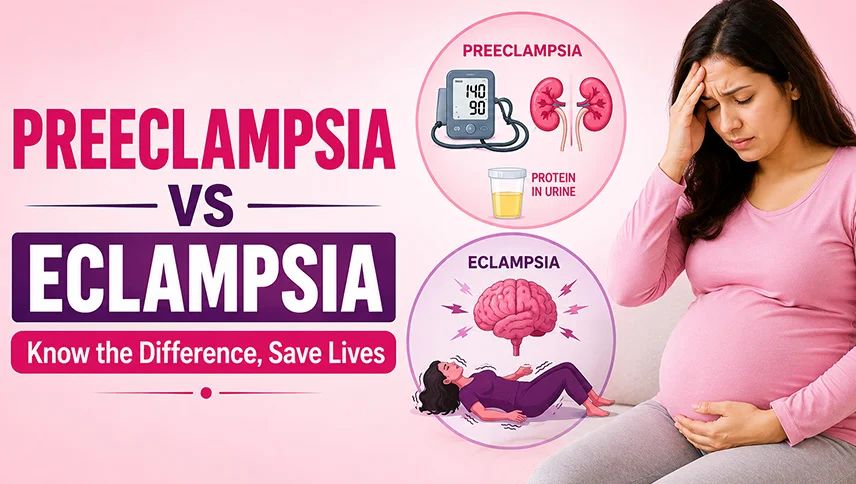
Preeclampsia is a serious pregnancy complication characterized by high blood pressure that develops after 20 weeks of pregnancy. It may affect important organs such as the kidneys, liver and brain.
Eclampsia is a severe complication of preeclampsia in which a pregnant or recently delivered woman experiences seizures (fits). Both conditions require urgent medical attention to protect the mother and baby.
Causes and Risk Factors
The exact cause is not fully understood, but factors that increase the risk include:
- First pregnancy.
- Previous history of preeclampsia.
- Multiple pregnancy (twins or triplets).
- High blood pressure before pregnancy.
- Kidney disease.
- Diabetes.
- Obesity.
- Family history of preeclampsia.
- Pregnancy at age 35 or older.
Signs and Symptoms
Signs of Preeclampsia:
- Persistent severe headache.
- Blurred vision or seeing flashing lights.
- Swelling of the face and hands.
- Sudden swelling of the body.
- Severe pain in the upper abdomen, especially beneath the ribs.
- Nausea or vomiting.
- High blood pressure.
- Difficulty breathing.
Signs of Eclampsia:
- Seizures or convulsions.
- Loss of consciousness.
- Severe headache.
- Confusion.
- Uncontrolled body movements.
Important: Seizures during pregnancy are a medical emergency. Seek immediate hospital care.
Possible Complications
If not properly managed, preeclampsia and eclampsia may cause:
- Premature delivery.
- Poor growth of the baby.
- Placental abruption (early separation of the placenta).
- Kidney or liver damage.
- Stroke in the mother.
- Severe bleeding disorders.
- Maternal or fetal death in severe cases.
Prevention and Management
Although preeclampsia cannot always be prevented, the risk of complications can be reduced through:
- Attending regular antenatal appointments.
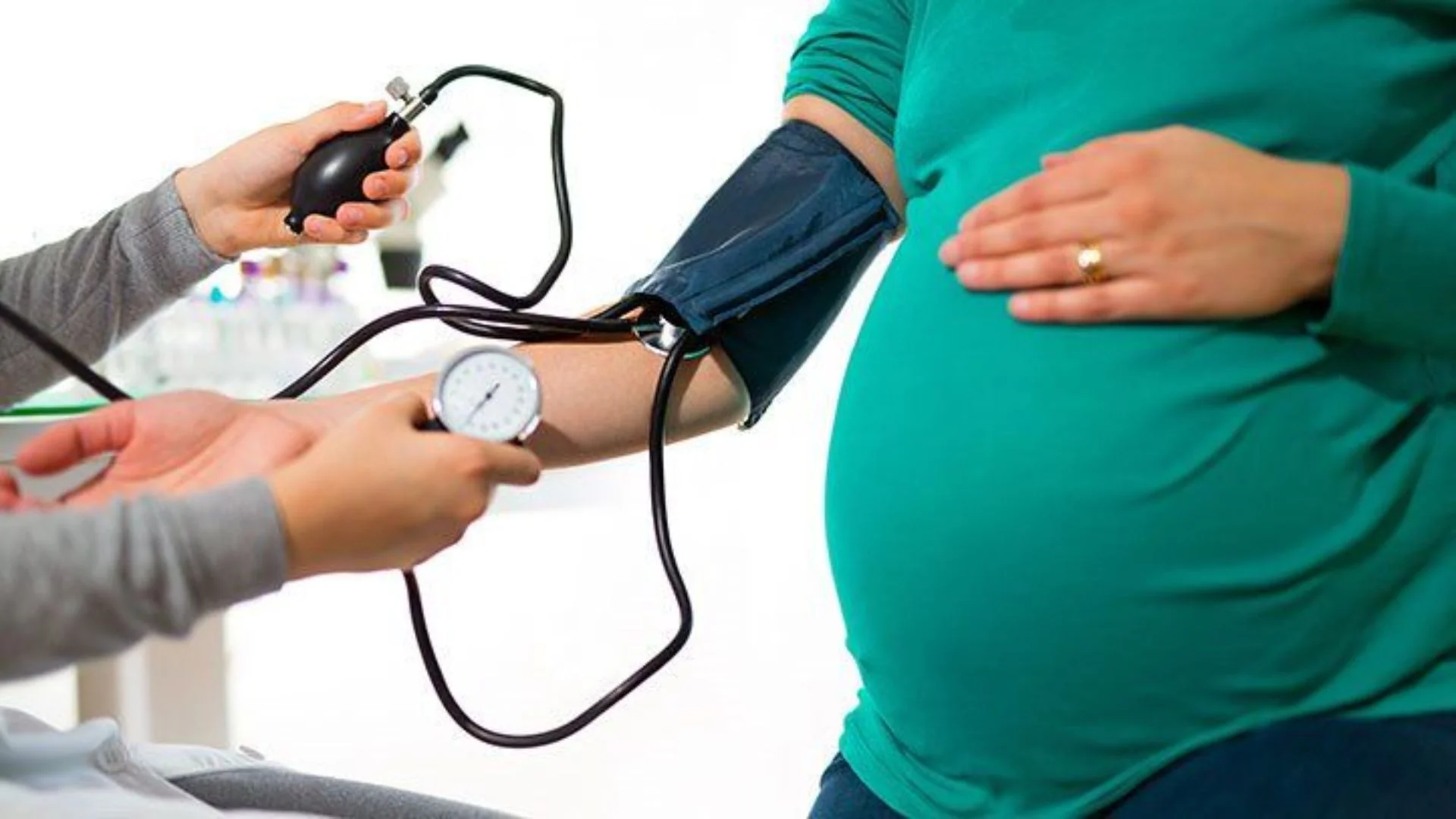
- Monitoring blood pressure during pregnancy.
- Reporting unusual symptoms immediately.
- Following medical advice on medication.
- Maintaining a healthy diet.
- Getting adequate rest.
- Taking prescribed low-dose aspirin when recommended by a healthcare professional for women at increased risk.
Treatment
Treatment depends on the severity of the condition and the stage of pregnancy.
- Regular blood pressure monitoring.
- Medication to control high blood pressure.
- Magnesium sulphate to prevent or treat seizures in severe preeclampsia and eclampsia.
- Close monitoring of the mother and baby's condition.
- Delivery of the baby and placenta when medically necessary.
Delivery is the definitive treatment for preeclampsia, although complications can sometimes continue after childbirth.
Frequently Asked Questions (FAQs)
1. Can preeclampsia occur without symptoms?
Yes. Some women may have no noticeable symptoms. This is why regular blood pressure checks and antenatal visits are important.
2. At what stage of pregnancy can preeclampsia develop?
It usually develops after 20 weeks of pregnancy, but it can also occur shortly after childbirth.
3. Can preeclampsia affect my baby?
Yes. It can reduce blood flow to the placenta, affecting the baby's growth and sometimes causing premature delivery.
4. Does preeclampsia always lead to eclampsia?
No. Many women with preeclampsia never develop seizures, especially when the condition is detected and treated early.
5. Can I develop preeclampsia after delivery?
Yes. Postpartum preeclampsia can develop after childbirth, even in women who had normal blood pressure during pregnancy.
6. Can preeclampsia be cured with medication?
Medication can control blood pressure and prevent seizures, but delivery of the baby and placenta is the definitive treatment.
7. Can I have a normal delivery if I have preeclampsia?
Yes. Vaginal delivery may be possible depending on the mother's condition, baby's health and stage of pregnancy. Caesarean section may be necessary in some cases.
8. Will I develop high blood pressure permanently after preeclampsia?
Not necessarily. Blood pressure may return to normal after delivery, but women who have had preeclampsia have an increased risk of developing high blood pressure and cardiovascular disease later in life.
Myths and Facts About Preeclampsia and Eclampsia
MYTH 1
Preeclampsia only affects women with a history of high blood pressure.
FACT
Preeclampsia can develop in women who have never experienced high blood pressure before pregnancy.
MYTH 2
Swollen feet always mean preeclampsia.
FACT
Mild foot swelling is common during pregnancy. However, sudden swelling of the face and hands, especially with other symptoms, requires medical assessment.
MYTH 3
Preeclampsia only happens during pregnancy.
FACT
It can also develop after childbirth, sometimes up to six weeks postpartum.
MYTH 4
Eclampsia is caused by evil spirits or spiritual attacks.
FACT
Eclampsia is a serious medical condition associated with preeclampsia and causes seizures. It requires immediate hospital treatment.
MYTH 5
Preeclampsia always requires a Caesarean section.
FACT
Some women can deliver vaginally. The delivery method depends on the mother's and baby's condition.
MYTH 6
Once the baby is delivered, preeclampsia disappears immediately.
FACT
Symptoms and high blood pressure may continue or develop after delivery. Postpartum monitoring is important.
Conclusion
Preeclampsia and eclampsia are serious pregnancy complications that can threaten the lives of both mother and baby if not treated promptly. Early detection, regular antenatal care and immediate medical attention when warning signs appear can save lives.
Important Health Reminder
Severe headache, blurred vision, severe abdominal pain, sudden swelling or seizures during or after pregnancy should never be ignored. Seek emergency medical attention immediately. Do not wait for your next antenatal appointment.