Antenatal
BREASTFEEDING: THE BEST NUTRITIONAL OPTION FOR NEWBORNS AND ITS IMPORTANCE
November 21, 2026
|
63 views
Introduction
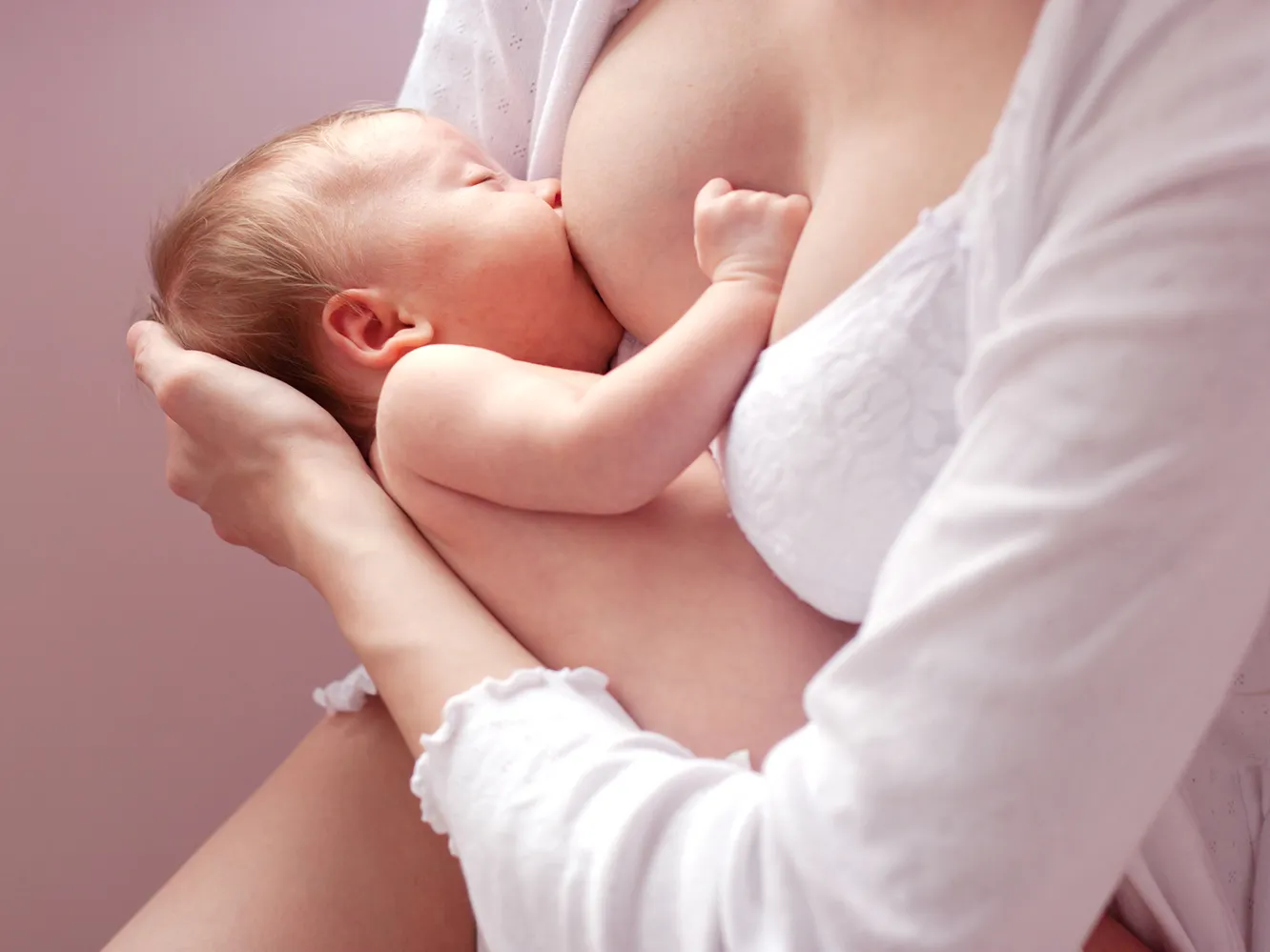
Breastfeeding is one of the most important ways to give a newborn baby the best possible start in life. Breast milk is a natural and complete source of nutrition, containing essential nutrients, antibodies and other protective substances that support a baby's growth and development.
The World Health Organization (WHO) recommends exclusive breastfeeding for the first six months of life, meaning the baby receives only breast milk, without water or other foods, except prescribed medicines, vitamins or mineral supplements when necessary.
After six months, complementary foods should be introduced while breastfeeding continues up to two years and beyond.
1. Importance of Breastfeeding
A. Benefits to the Baby
1. Provides Complete Nutrition
Breast milk contains the right balance of proteins, fats, carbohydrates, vitamins and minerals needed for a newborn's growth and development.
2. Strengthens the Baby's Immune System
Breast milk contains antibodies and immune-protective substances that help protect babies against infections and diseases.
3. Protects Against Common Childhood Illnesses
Breastfeeding reduces the risk of:
- Diarrhoea.
- Respiratory infections.
- Ear infections.
- Severe childhood infections.
- Necrotising enterocolitis, particularly in premature babies.
4. Supports Brain Development
Breast milk contains nutrients that support brain development, learning and cognitive growth.
5. Promotes Healthy Digestion
Breast milk is easily digested by newborns and helps support the development of a healthy digestive system.
6. Reduces the Risk of Certain Diseases
Breastfeeding is associated with a lower risk of childhood obesity, type 1 diabetes and some other long-term health conditions.
7. Provides Comfort and Emotional Security
Breastfeeding promotes skin-to-skin contact and bonding between the mother and baby, helping the newborn feel safe and comforted.
B. Benefits to the Mother
Breastfeeding is not only beneficial to the baby; mothers also enjoy several health benefits.
- Helps the uterus contract after delivery.
- Reduces postpartum bleeding.
- Supports the mother-baby bonding process.
- May help with postpartum weight management.
- Reduces the mother's risk of breast and ovarian cancers.
- Is associated with a lower risk of type 2 diabetes.
- Provides a convenient and readily available source of nutrition for the baby.
2. What Is Colostrum and Why Is It Important?
Colostrum is the thick, yellowish first milk produced by the mother's breasts during the first few days after childbirth.
It is sometimes called the baby's first vaccine because it is rich in antibodies and other immune-protective substances.
Benefits of colostrum include:
- Provides essential nutrients in concentrated amounts.
- Helps protect the newborn against infections.
- Supports the development of the baby's immune system.
- Helps the baby pass the first stool (meconium).
- Supports the development of the digestive system.
Important: Mothers should be encouraged to breastfeed immediately after birth, preferably within the first hour, when medically possible.
3. Exclusive Breastfeeding: What Does It Mean?
Exclusive breastfeeding means giving the baby only breast milk for the first six months, without introducing:
- Water.
- Pap.
- Formula milk.
- Herbal mixtures.
- Other foods or drinks.
Exceptions include prescribed medicines, oral rehydration solution, vitamins and mineral supplements when medically indicated.
Breast milk provides the water a healthy baby needs, even in hot weather.
4. Signs That Your Baby Is Getting Enough Breast Milk
Many new mothers worry about whether their babies are getting enough milk.
Some reassuring signs include:
- The baby breastfeeds regularly, usually 8–12 times within 24 hours during the early weeks.
- The baby appears satisfied after many feeds.
- The baby has at least six wet nappies daily from around day five.
- The baby is gaining weight appropriately.
- The baby is active and alert when awake.
If the baby is feeding poorly, has fewer wet nappies than expected, appears unusually sleepy or is not gaining weight, seek medical assessment.
5. Common Breastfeeding Challenges
Some mothers experience difficulties when starting breastfeeding. These may include:
- Sore or cracked nipples.
- Breast engorgement.
- Poor attachment or positioning.
- Perceived low milk supply.
- Blocked milk ducts.
- Mastitis (breast inflammation, sometimes caused by infection).
What can help?
- Ensure the baby is properly attached to the breast.
- Breastfeed frequently and respond to the baby's feeding cues.
- Avoid unnecessarily introducing formula or water.
- Seek help from a trained midwife or lactation consultant.
- Get medical attention for fever, severe breast pain or worsening redness.
6. Frequently Asked Questions (FAQs)
1. When should I start breastfeeding my newborn?
Breastfeeding should ideally begin within the first hour after birth, provided the mother and baby are medically stable.
2. How long should I exclusively breastfeed my baby?
The recommendation is to exclusively breastfeed for the first six months before introducing complementary foods.
3. Should I give my newborn water when the weather is hot?
No. Healthy babies who are exclusively breastfed do not need additional water, even in hot weather. Breast milk provides sufficient hydration.
4. How often should I breastfeed my newborn?
Most newborns need approximately 8–12 breastfeeding sessions within 24 hours. Feed whenever your baby shows signs of hunger.
5. What if I am not producing enough breast milk?
Frequent breastfeeding, proper attachment and effective milk removal can help increase milk production. Seek professional support if you are concerned about your supply or your baby's weight gain.
6. Can I breastfeed if I am sick?
In many common illnesses, breastfeeding can continue. However, some infections and medications require specific medical advice. Consult your healthcare provider before stopping breastfeeding or taking medication.
7. Can I breastfeed after a Caesarean section?
Yes. Mothers who deliver through Caesarean section can breastfeed. Assistance with positioning and pain management can make breastfeeding more comfortable.
8. How long should I continue breastfeeding?
Breastfeeding should continue alongside complementary foods from six months until two years or beyond, as mutually desired by the mother and child.
9. Can I breastfeed twins?
Yes. Many mothers can successfully breastfeed twins. Support with positioning, feeding schedules and milk supply can be helpful.
10. Is breast milk better than formula milk?
Breast milk is the recommended first choice because it contains living immune components and protective substances that formula cannot fully reproduce. However, when breastfeeding is not possible or sufficient, properly prepared infant formula is an appropriate alternative.
7. Myths and Facts About Breastfeeding
MYTH 1
Newborn babies need water in addition to breast milk.
FACT
Healthy babies who are exclusively breastfed do not need additional water during the first six months, even in hot climates.
MYTH 2
The first yellowish breast milk should be discarded.
FACT
Colostrum is extremely valuable. It contains concentrated nutrients and antibodies that protect the newborn against infections.
MYTH 3
Small breasts cannot produce enough breast milk.
FACT
Breast size does not determine milk production. Women with different breast sizes can produce enough milk for their babies.
MYTH 4
Breastfeeding makes babies too dependent on their mothers.
FACT
Breastfeeding provides nutrition, comfort and emotional security. It supports healthy bonding and development.
MYTH 5
A mother must stop breastfeeding when she becomes pregnant again.
FACT
Many women can continue breastfeeding during pregnancy, although individual medical circumstances should be discussed with a healthcare professional.
MYTH 6
Formula milk is exactly the same as breast milk.
FACT
Infant formula can provide appropriate nutrition, but it does not contain all the living antibodies and protective components found in breast milk.
MYTH 7
Breastfeeding should stop when a baby develops diarrhoea.
FACT
Breastfeeding should generally continue during diarrhoea because breast milk provides nutrition and hydration. Medical assessment may also be necessary.
MYTH 8
A mother who has undergone Caesarean delivery cannot breastfeed immediately.
FACT
Breastfeeding can often begin soon after Caesarean delivery, depending on the mother's and baby's condition.
8. When Should a Mother Seek Medical Help?
A mother should seek professional assistance if:
- The baby refuses to breastfeed repeatedly.
- The baby has very few wet nappies.
- The baby is unusually sleepy or difficult to wake.
- The baby is losing excessive weight.
- The mother experiences severe breast pain, fever or breast redness.
- The mother suspects that her baby is not getting enough milk.
Do not wait for a routine appointment if a newborn is difficult to wake, has breathing difficulties or shows signs of severe dehydration.
Conclusion
Breastfeeding is one of the greatest gifts a mother can give her newborn. It provides essential nutrition, strengthens the baby's immune system, supports healthy growth and development, and promotes mother-child bonding.
Every mother should be encouraged, educated and supported to breastfeed successfully. Where breastfeeding is not possible or is medically contraindicated, appropriate alternatives should be provided with professional guidance.
A Message to Every Mother
Your baby's first food matters. Start breastfeeding as early as possible, give only breast milk for the first six months, and seek help whenever you experience breastfeeding difficulties.
Healthy mothers. Healthy babies. A healthier future.