Antenatal
Labour, Stages and Delivery
March 27, 2026
|
152 views
This guide walks through the stages of labour in simple terms, what delivery involves, plus helpful tips.
What Is Labour?
Labour is the process where the uterus contracts to help the cervix open (dilate) and move the baby through the birth canal. It usually starts between 37 and 42 weeks of pregnancy.
Labour begins when contractions become regular, stronger, and closer together.
Common early signs:
Lower back pain or cramps
Tightening of the belly (contractions)
Passing the mucus plug (bloody show)
Water breaking (amniotic sac ruptures)
The 3 Stages of Labour
Stage 1: Early Labour and Active Labour (Cervix Opening)
This is the longest stage. The cervix opens from 0 cm to 10 cm.
It has three phases.
1. Early Labour (Latent Phase)
Cervix opens from 0–3/4 cm.
What happens:
Mild, irregular contractions
Lower back ache
Energy bursts or tiredness
Can last hours or even days
This stage is usually manageable at home.
2. Active Labour
The cervix opens from 4–7 cm.
What happens:
Contractions become stronger and more regular
Last about 45–60 seconds
Occur every 3–5 minutes
Breathing and focus become important
This is usually when you go to the hospital or birth center.
3. Transition Phase
The cervix opens from 8–10 cm.
This is the most intense part of labour.
Common experiences:
Strong, frequent contractions
Pressure in the pelvis or rectum
Nausea or shaking
Feeling emotional or overwhelmed
This phase is short but powerful. Once the cervix reaches 10 cm, pushing begins.
Stage 2: Pushing and Birth of the Baby
This stage starts when the cervix is fully dilated and ends when the baby is born.
What happens:
Strong urge to push
Baby moves down the birth canal
Head crowns (visible at vaginal opening)
The baby is delivered
Duration:
First baby: 30 minutes to 3 hours
Subsequent babies: Often faster
Delivery methods:
Vaginal birth
Assisted birth (forceps or vacuum)
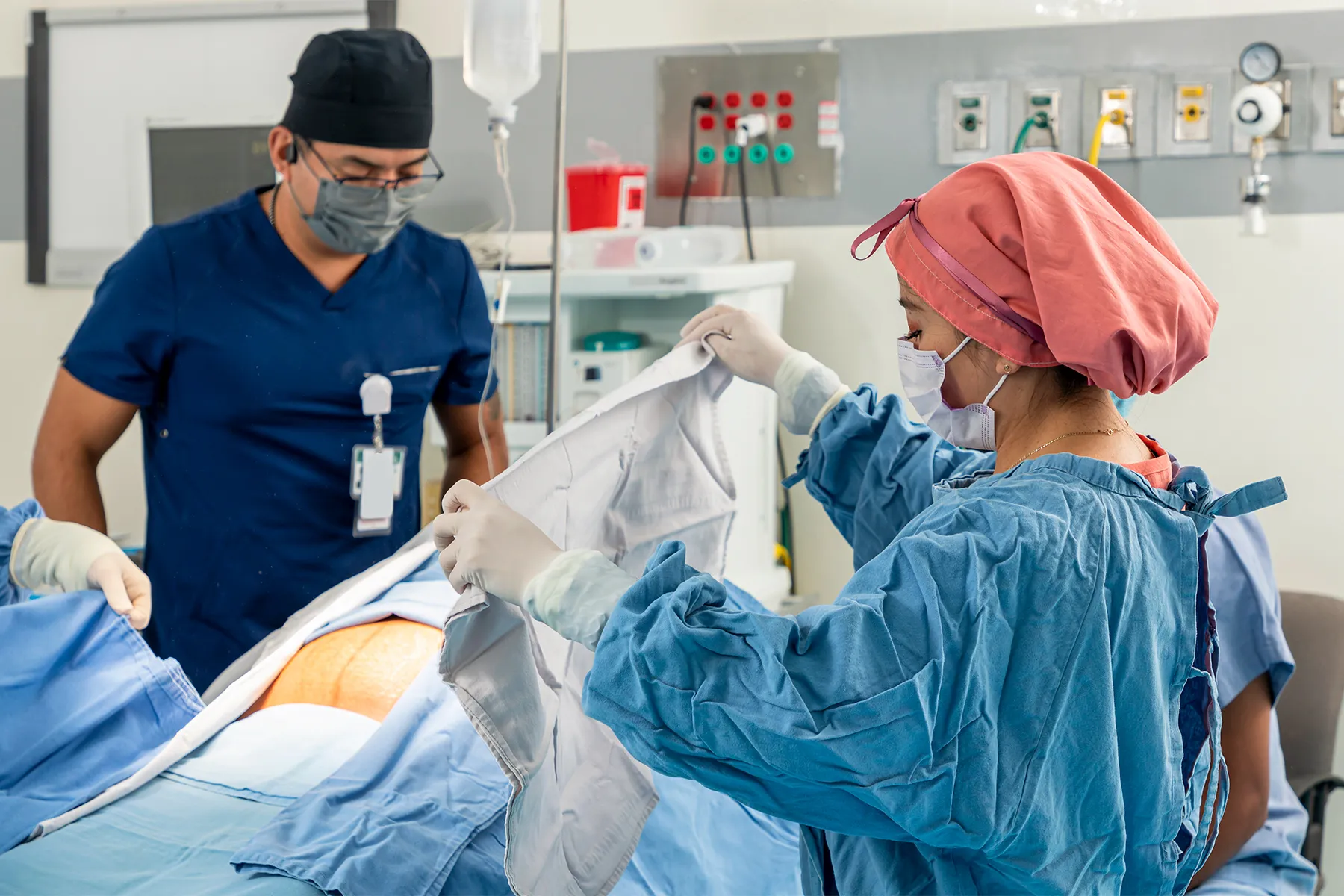
Cesarean section (C-section) if needed
The moment the baby is born is often described as intense relief and joy.
Stage 3: Delivery of the Placenta
After the baby arrives, the placenta must also be delivered.
What happens:
Mild contractions continue
The placenta separates and comes out
Usually takes 5–30 minutes
Healthcare providers ensure the placenta is fully delivered to prevent complications.
Types of Delivery
Vaginal Delivery
Most common method. A baby is born through the birth canal.
Assisted Vaginal Delivery
Tools help guide the baby out:
Forceps
Vacuum extractor
Used when labour is slow, or the baby needs help.
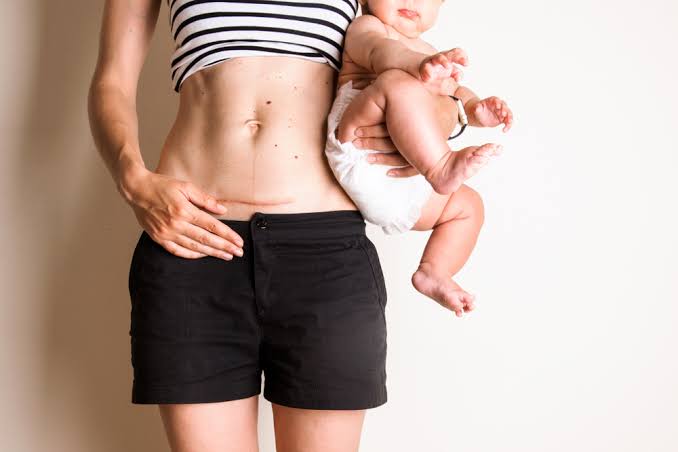
Cesarean Section (C-Section)
Surgical delivery through the abdomen.
Reasons may include:-
Baby in breech position
Labour not progressing
Baby in distress
Multiple babies (twins, triplets)
Pain Relief Options
You can choose different comfort methods.
Natural methods:
Breathing techniques
Walking or changing positions
Warm showers or baths
Massage and support person
Medical options:
Epidural (most common)
Nitrous oxide (gas)
Pain-relief injections
There is no “right” choice. The goal is a safe and manageable birth.
Tips for Labour and Delivery
Before Labour Starts
Pack your hospital bag early (by 36 weeks)
Learn breathing techniques
Write a simple birth plan
Know your hospital route and emergency contacts
During Early Labour
Stay calm and relaxed
Eat light meals and drink fluids
Rest as much as possible
Track contractions
During Active Labour
Focus on slow breathing
Change positions often
Lean on your support person
Remember, contractions have breaks
During Pushing
Listen to your healthcare provider
Push when contractions peak
Conserve energy between pushes
Trust your body
After Delivery
Start skin-to-skin contact
Try breastfeeding early if possible
Rest and hydrate
Accept help from others
Frequently Asked Questions (FAQs)
1. How do I know real labour vs false labour?
Real labour:
Contractions become regular
They get stronger and closer together
Pain doesn’t stop when you change position
False labour:
Irregular contractions
Stop for rest or hydration
2. When should I go to the hospital?
Common rule: 5-1-1 rule
Contractions every 5 minutes
Lasting 1 minute
For 1 hour
Go immediately if:
Water breaks
Heavy bleeding
Baby's movement decreases
3. How long does labour last?
Average:
First baby: 12–24 hours
Later births: 6–12 hours
Every labour is different.
4. Is pushing very painful?
It is intense, but many women feel relief because pushing feels productive and brings the baby closer.
5. Can I eat during labour?
Light foods are usually okay in early labour. In active labour, hospitals may limit food in case surgery becomes necessary.
6. What happens if my water breaks first?
Labour often starts within 24 hours. You should contact your healthcare provider immediately.
7. Is a C-section safe?
Yes. It is a common and safe surgery when medically needed.
Final Thoughts
Labour and delivery can feel unpredictable, but understanding the stages helps reduce fear. Your body is designed for birth, and medical teams are trained to keep both mother and baby safe.
Preparation, support, and knowledge make the experience more manageable and empowering.