Antenatal
A Guide to the Puerperium and Postnatal Care
May 16, 2026
|
89 views

The journey of childbirth does not end at delivery. The six weeks following birth, known medically as the puerperium, represent a season of profound physiological and emotional transition. Often called the "fourth trimester," this period is dedicated to the body’s recovery and the mother’s adaptation to her new role.
## Understanding the Puerperium
The puerperium begins the moment the placenta is delivered and lasts approximately six weeks. During this time, the body undergoes "involution," where the uterus contracts from the size of a watermelon back to the size of a pear.
A key feature of this stage is lochia, the vaginal discharge that transitions from bright red to yellowish-white over several weeks. Hormonal shifts are also dramatic; the sudden drop in progesterone and estrogen, coupled with the rise in prolactin for breastfeeding, can significantly impact mood and energy levels.
## The Importance of the Postnatal Visit
The postnatal check-up, typically scheduled six weeks after birth, is a vital safety net. While much of the focus during pregnancy is on the baby, this visit is strictly for the mother’s well-being.
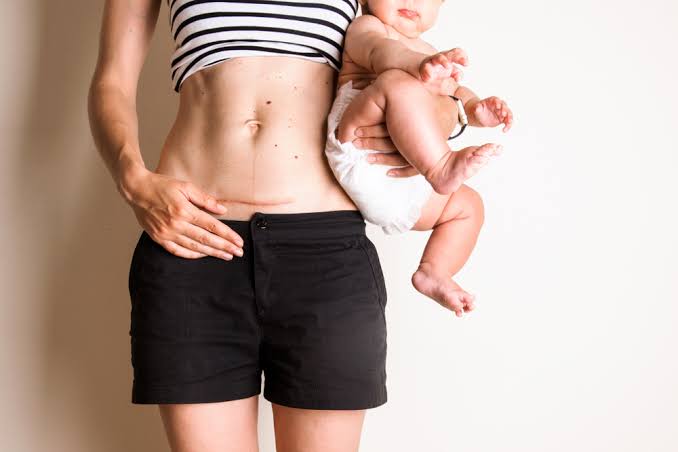
During this appointment, healthcare providers assess physical healing, such as the recovery of a C-section incision or perineal repairs. However, the scope is broader than physical exams. Providers screen for postpartum depression (PPD), discuss family planning, and evaluate the mother’s readiness to return to physical exercise or sexual activity. It is the bridge between the intensity of birth and a return to long-term health.
------------------------------
## Essential Recovery Tips
* Prioritize Protein and Iron: Healing tissues require amino acids, while iron helps replenish blood lost during delivery.
* Move Gently: Short walks prevent blood clots, but avoid heavy lifting until cleared by a doctor.
* Sitz Baths: For vaginal births, warm shallow baths can reduce swelling and soothe discomfort.
* Accept Help: Practical support with cooking or cleaning allows the mother to prioritize skin-to-skin contact and rest.
------------------------------
## Frequently Asked Questions
How long does postpartum bleeding last?
Lochia typically lasts four to six weeks. It should gradually lighten in color and volume. If you see large clots or the bleeding increases suddenly, contact your provider.
What are the "Baby Blues" vs. Postpartum Depression?
Baby Blues are mild mood swings occurring 3–5 days after birth and usually disappear within two weeks. PPD is more severe, lasts longer, and requires professional intervention.
When is it safe to exercise?
Most women can begin light walking within days. However, high-impact exercise or core-heavy workouts usually require clearance at the six-week postnatal visit.
------------------------------
## 🚨 Warning Signs to Watch For
While recovery takes time, certain symptoms require immediate medical attention:
* Fever: A temperature over 38°C (100.4°F) could indicate infection.
* Leg Pain: Swelling or redness in one calf may signal a blood clot (DVT).
* Mental Health: Thoughts of harming yourself or the baby are medical emergencies.
------------------------------
If you'd like, I can provide more details on:
* A weekly timeline of what to expect during recovery.
* Specific breastfeeding troubleshooting for the first month.
* A list of questions to ask at your 6-week check-up.
Let me know which area of recovery you want to focus on next.